What is Cerebral Palsy?
Cerebral palsy is a group of conditions that affect movement and posture. It happens because of damage to the brain before, during, or soon after birth. As a result, children with cerebral palsy may have stiff muscles, weak muscles, or trouble with balance. Although the condition does not get worse over time, its effects can change as a child grows. For many families, understanding cerebral palsy is the first step toward finding the right support.
Role of Physiotherapy in Cerebral Palsy
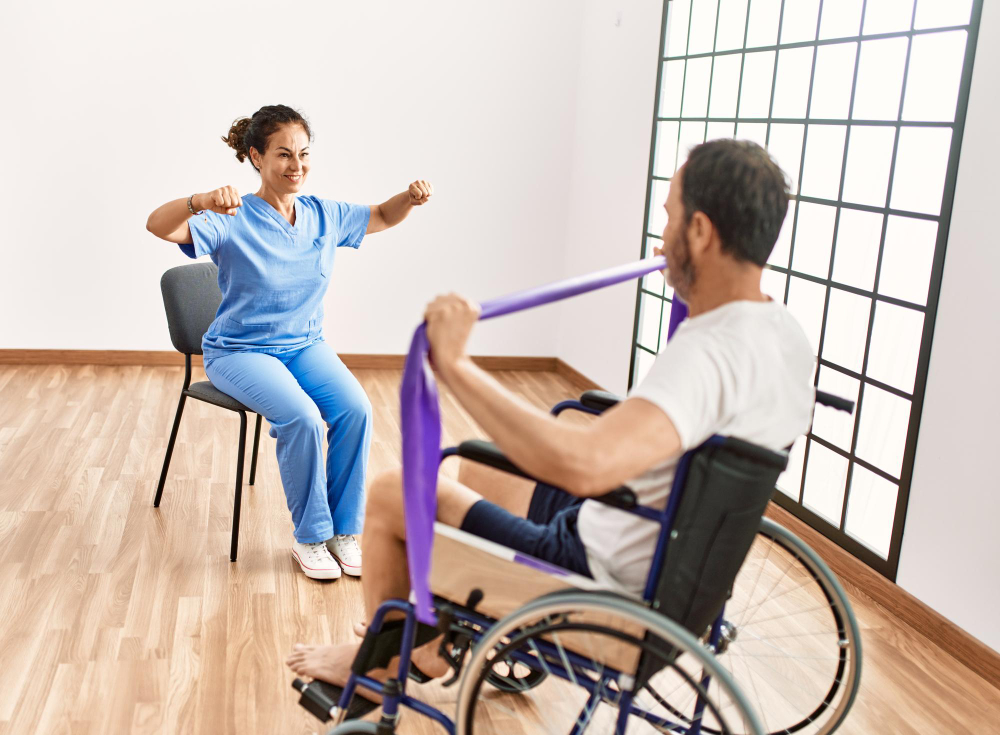
Physiotherapy for cerebral palsy plays a key role in helping children move better. With regular sessions, children can learn new ways to move and become more independent. In fact, physiotherapy is often part of a larger team approach called cerebral palsy rehabilitation. Because every child is different, physiotherapists create a plan that fits each child’s needs. Early therapy can make a big difference in a child’s life.
Common Physiotherapy Techniques
There are many physiotherapy exercises for cerebral palsy. These exercises help improve strength, balance, and flexibility. Some common techniques include:
Sometimes, therapists use special equipment like balls, mats, or walkers. In addition, they may teach families how to do simple exercises at home.
Benefits of Physiotherapy for Cerebral Palsy
Physiotherapy offers many benefits for children with cerebral palsy. For example, it can help children:
Moreover, regular physical therapy for children with cerebral palsy can prevent joint problems and improve quality of life. According to the CDC, early therapy can lead to better long-term outcomes.
What to Expect During Physiotherapy Sessions
During the first visit, the physiotherapist will assess your child’s movement and needs. Next, they will set goals and create a plan. Each session may include:
Sessions usually last 30 to 60 minutes. Over time, the therapist will adjust the plan as your child grows and improves. Importantly, families are encouraged to join in and learn exercises for home practice.
Tips for Families and Caregivers
Caring for a child with cerebral palsy can feel overwhelming. However, there are ways to make therapy more effective:
Above all, remember that progress may be slow, but every step counts. Support from family makes a big difference.
Prevention and Early Intervention
While not all cases of cerebral palsy can be prevented, early intervention helps children reach their full potential. For instance, starting physiotherapy soon after diagnosis can improve movement and prevent future problems. The World Health Organization recommends early screening and therapy for children at risk. If you notice delays in your child’s movement, talk to your doctor right away.
For personalized advice on managing cerebral palsy, consult a qualified physiotherapist at Physioupaya.