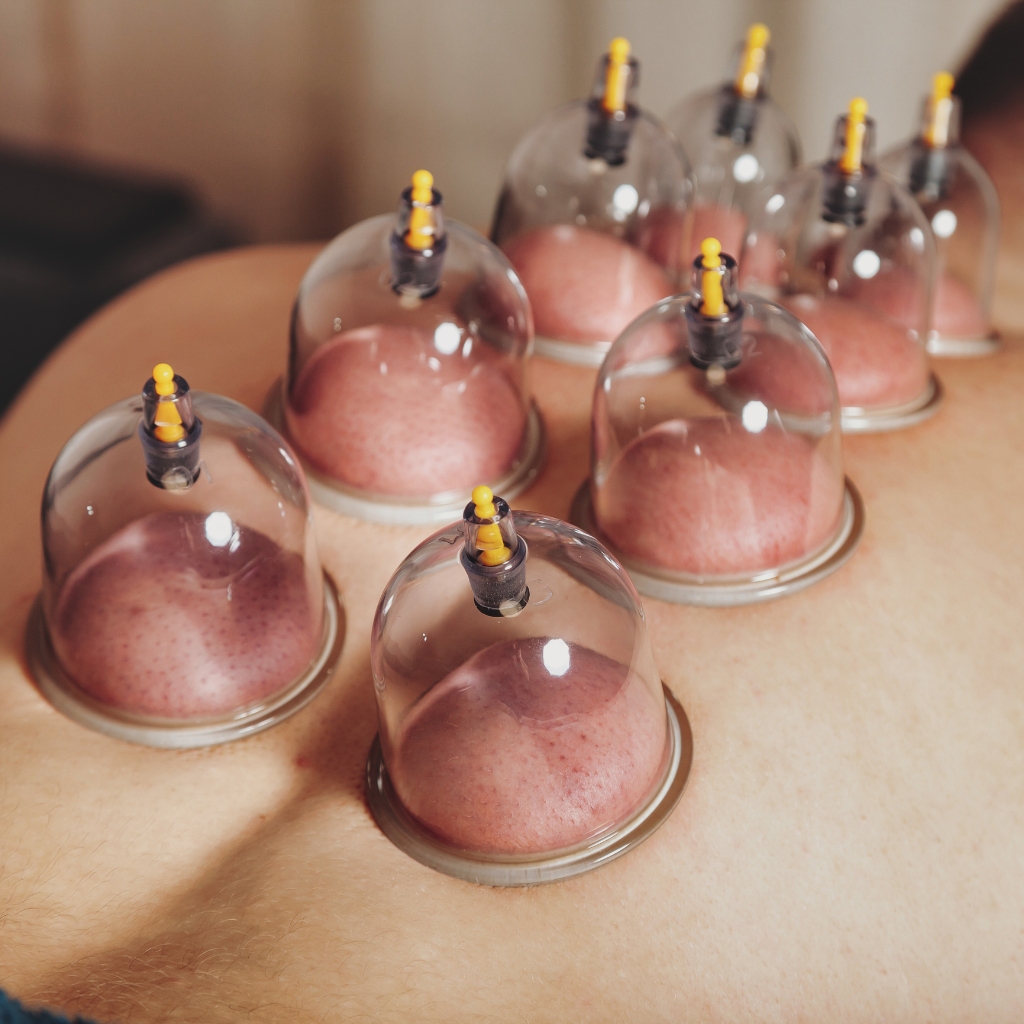
A traditional therapeutic technique using suction cups to enhance blood circulation, reduce inflammation, relieve pain, and accelerate muscle recovery.
Key Benefits:
Common Use Cases:
Session Duration:
30-45 minutes per session
Recommended Frequency:
1-2 times per week initially, then as needed
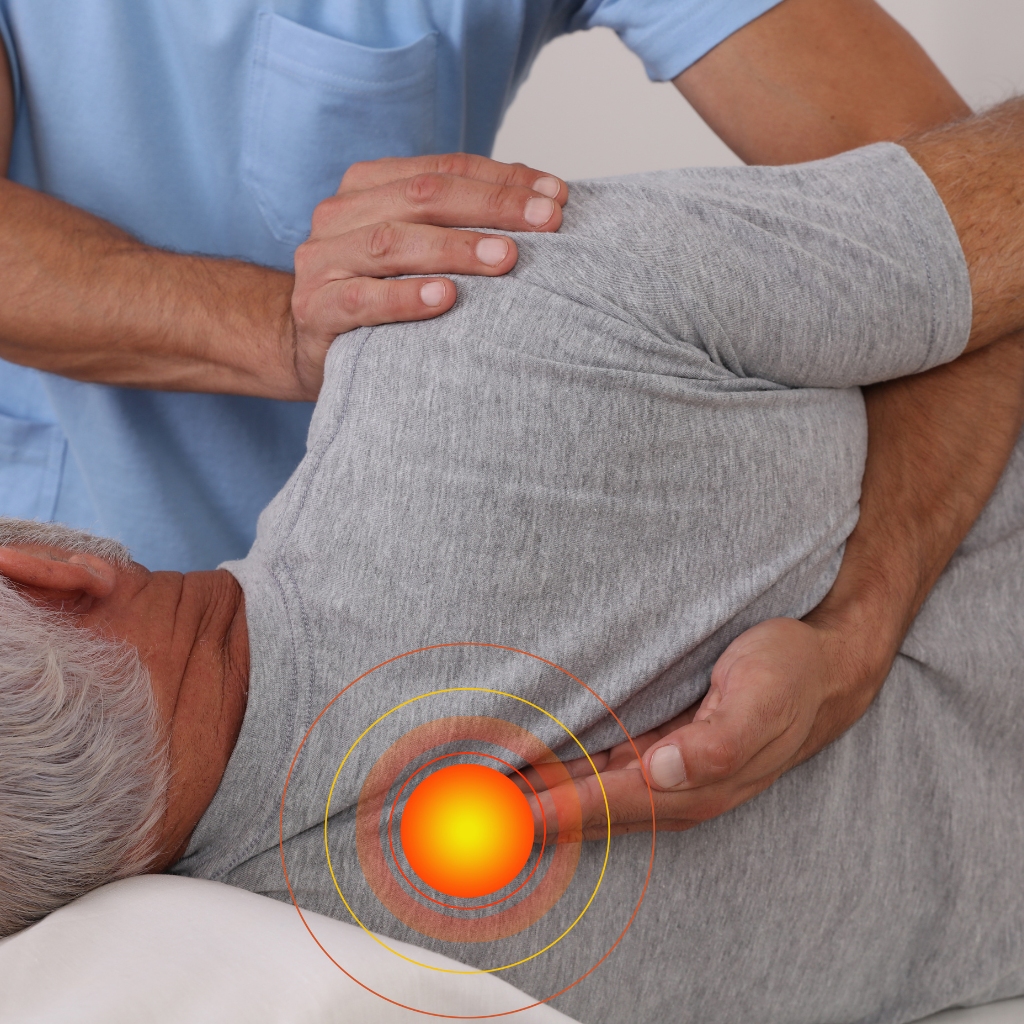
A hands-on therapy using spinal and joint adjustments to improve alignment, relieve pain, restore mobility, and enhance function.
Key Benefits:
Common Use Cases:
Session Duration:
15-30 minutes per session
Recommended Frequency:
2-3 times per week initially, then maintenance as needed
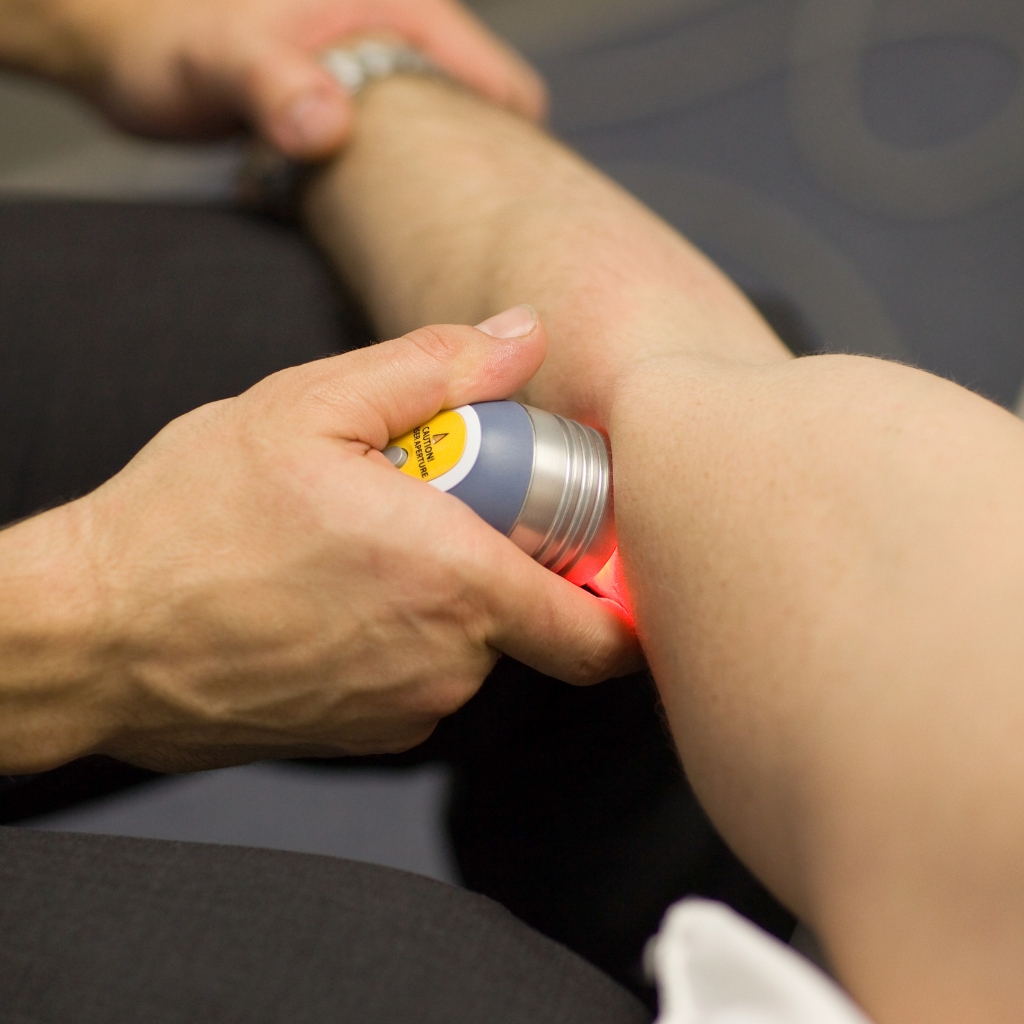
A non-invasive treatment using class IV laser light to reduce pain, decrease inflammation, and promote tissue healing.
Key Benefits:
Common Use Cases:
Session Duration:
10-20 minutes per session
Recommended Frequency:
3-5 times per week for acute conditions, 2-3 times for chronic
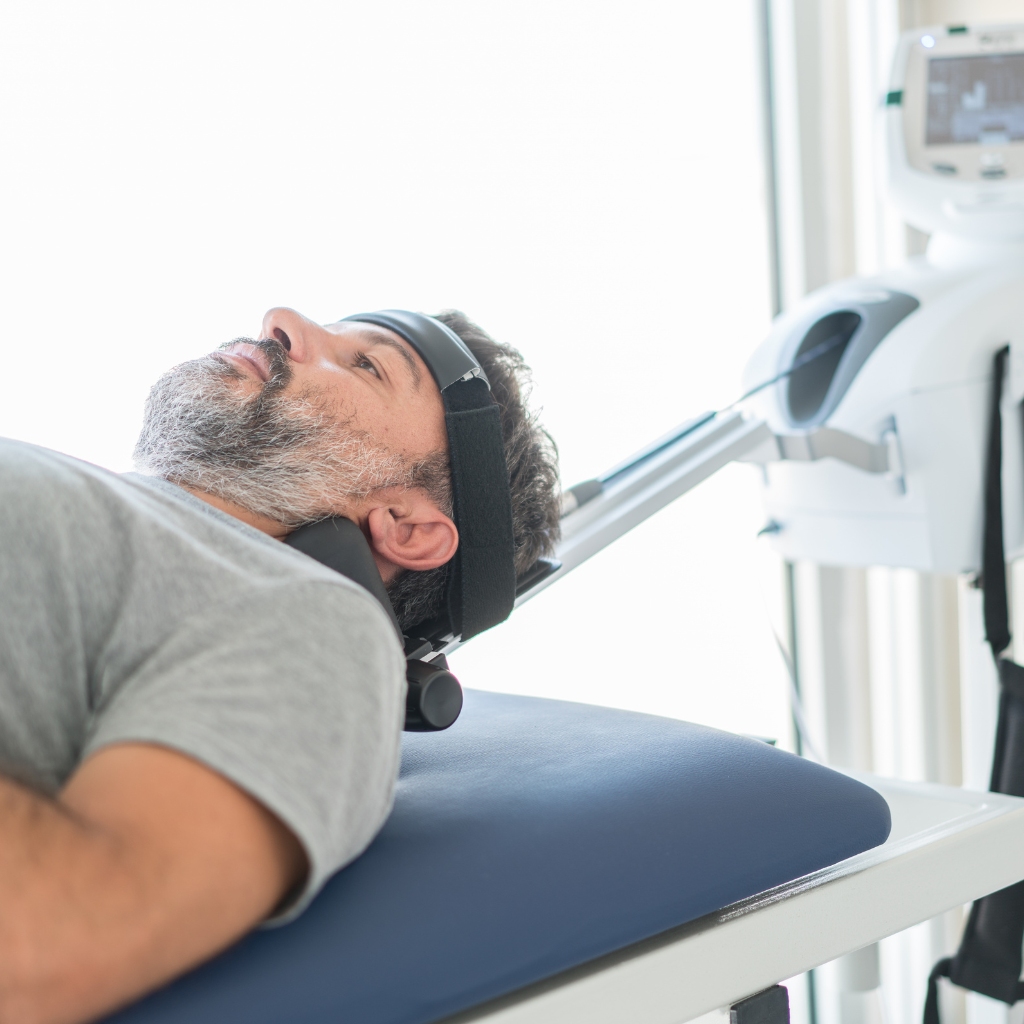
A therapeutic spinal stretching technique that relieves nerve pressure, reduces pain, improves alignment, and enhances mobility.
Key Benefits:
Common Use Cases:
Session Duration:
15-30 minutes per session
Recommended Frequency:
2-3 times per week for several weeks
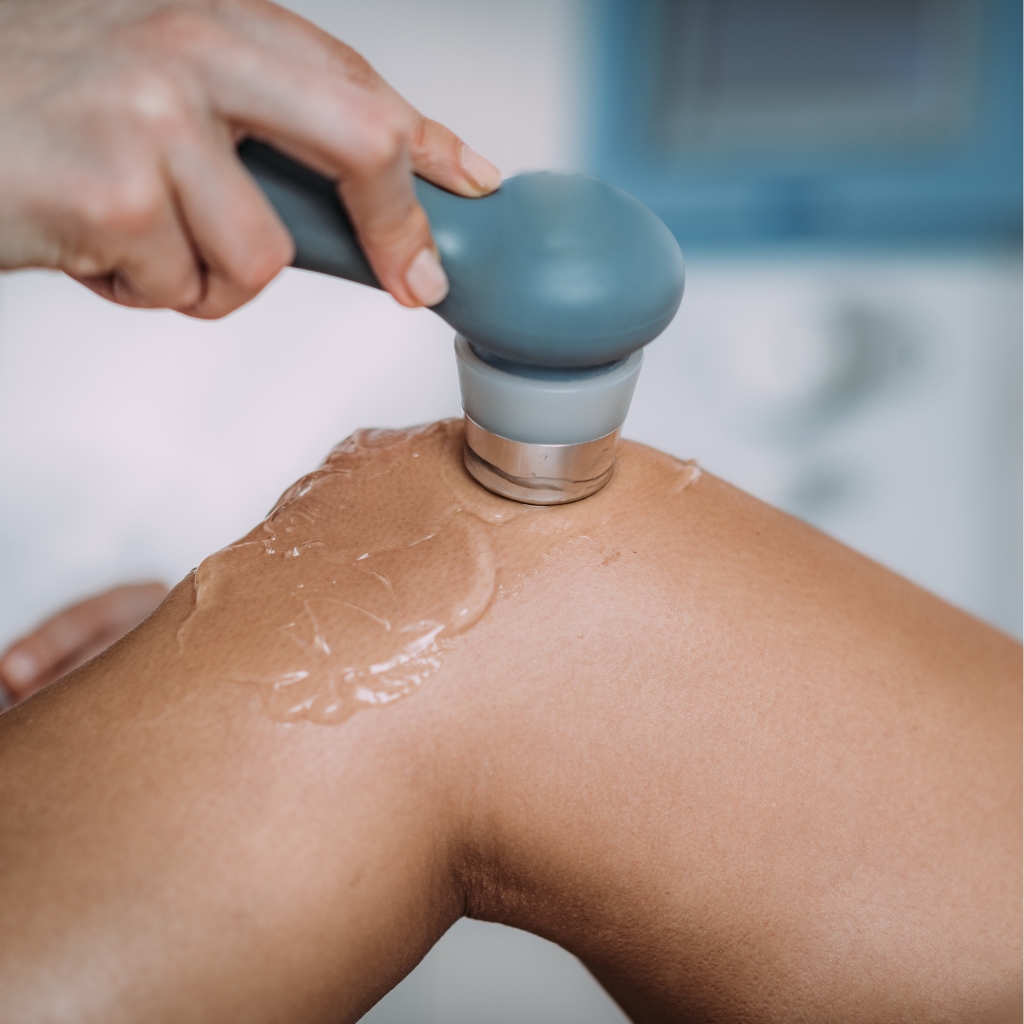
A therapeutic treatment using sound waves to promote healing, reduce pain, improve circulation, and enhance tissue flexibility.
Key Benefits:
Common Use Cases:
Session Duration:
5-10 minutes per treatment area
Recommended Frequency:
2-3 times per week for 2-6 weeks
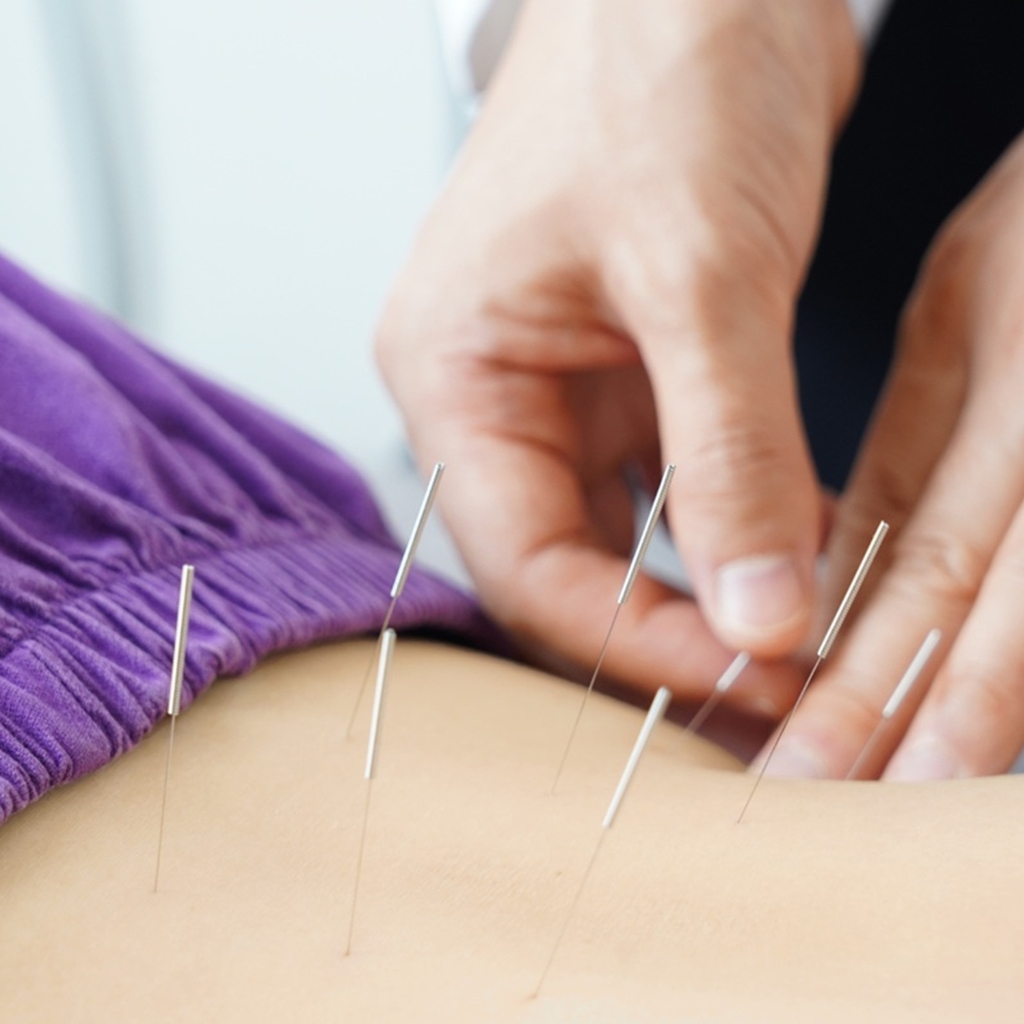
Targeted needle therapy relieving muscle tension, reducing pain, improving mobility, and accelerating recovery.
Key Benefits:
Common Use Cases:
Session Duration:
A typical dry needling session lasts between 20 and 40 minutes.
Recommended Frequency:
Sessions are usually recommended one to two times per week based on condition severity.
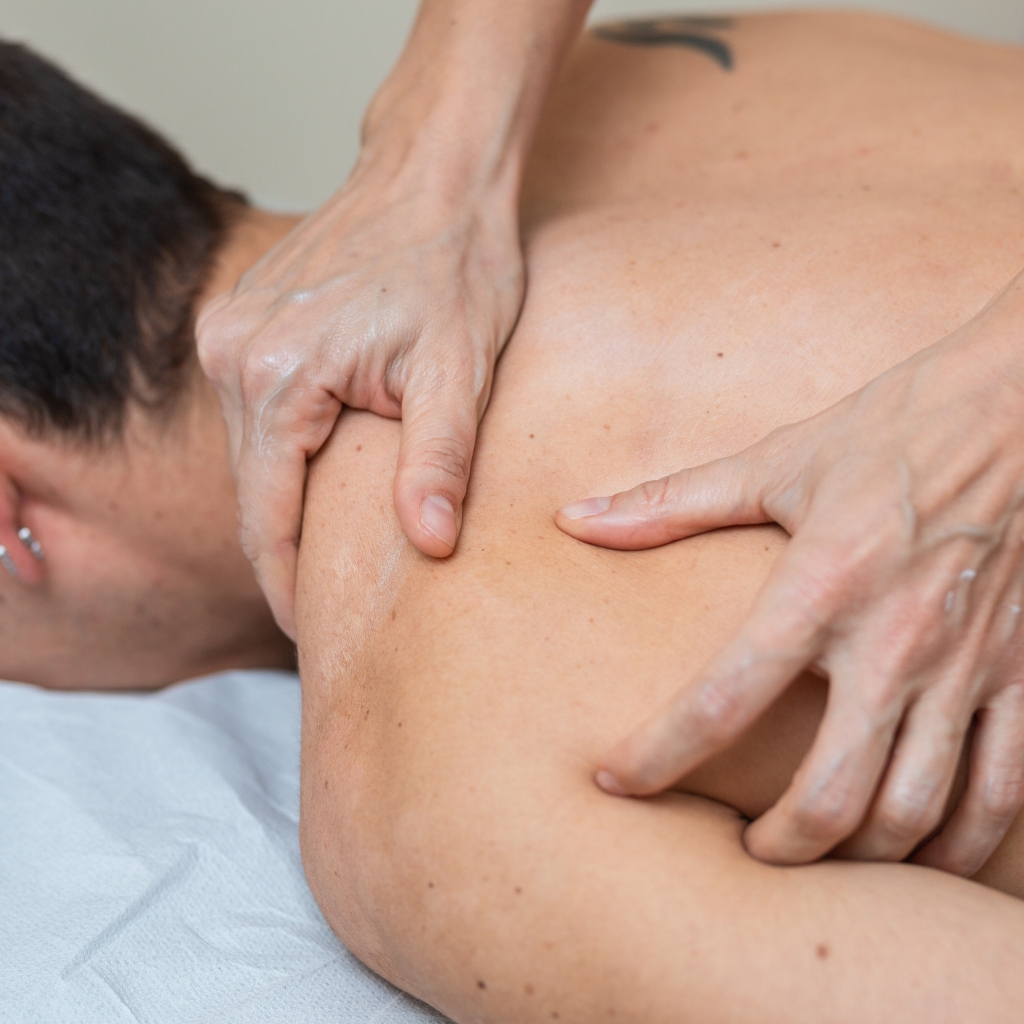
Hands-on treatment techniques improving joint mobility, reducing pain, restoring function, and enhancing movement.
Key Benefits:
Common Use Cases:
Session Duration:
A typical manual therapy and mobilization session lasts between 30 and 45 minutes.
Recommended Frequency:
Sessions are commonly recommended one to three times weekly depending on patient needs.
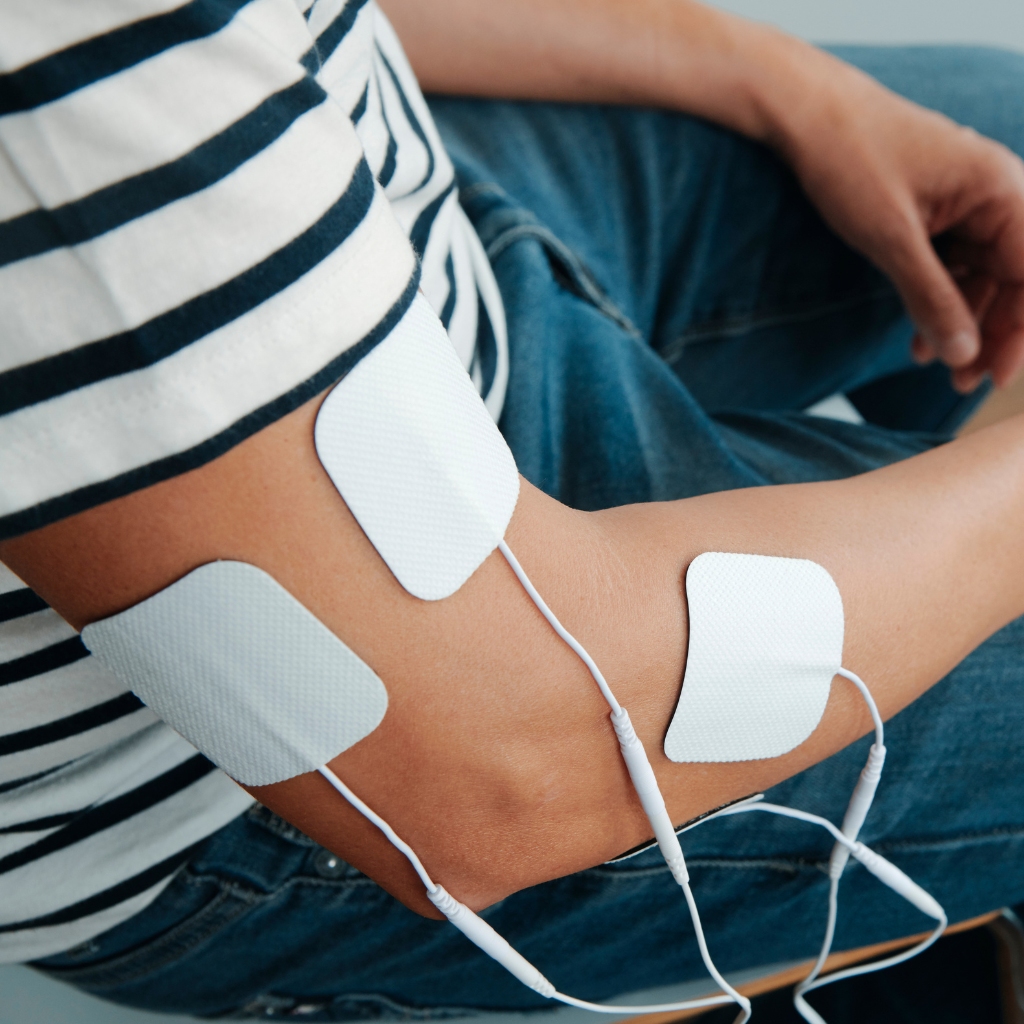
Advanced electrical stimulation therapy reducing pain, promoting healing, improving function, and muscle recovery.
Key Benefits:
Common Use Cases:
Session Duration:
A typical electrotherapy session lasts between 15 and 30 minutes.
Recommended Frequency:
Sessions are generally recommended two to three times weekly based on treatment goals.
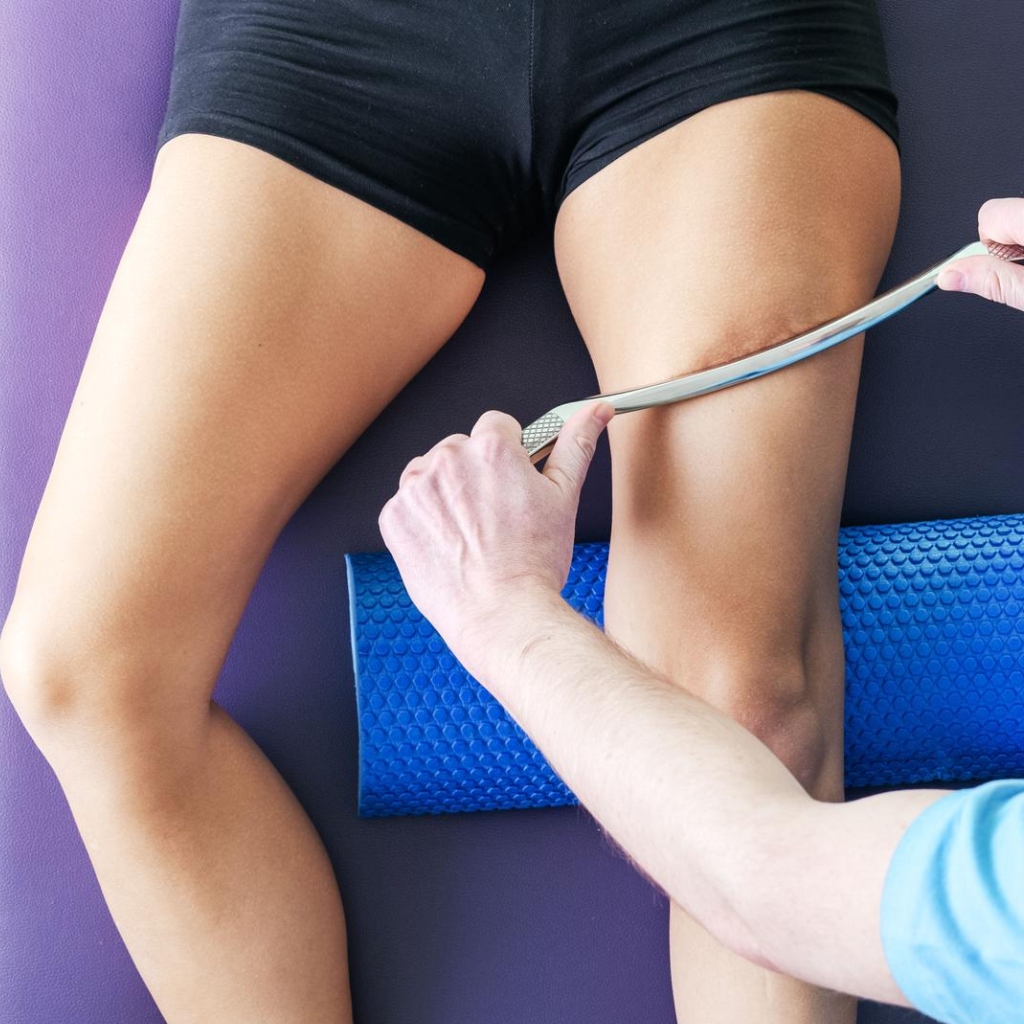
Specialized instrument-assisted therapy improving tissue mobility, reducing pain, and accelerating recovery outcomes.
Key Benefits:
Common Use Cases:
Session Duration:
A typical IASTM session lasts between 20 and 40 minutes.
Recommended Frequency:
Sessions are usually recommended one to two times weekly for optimal results.
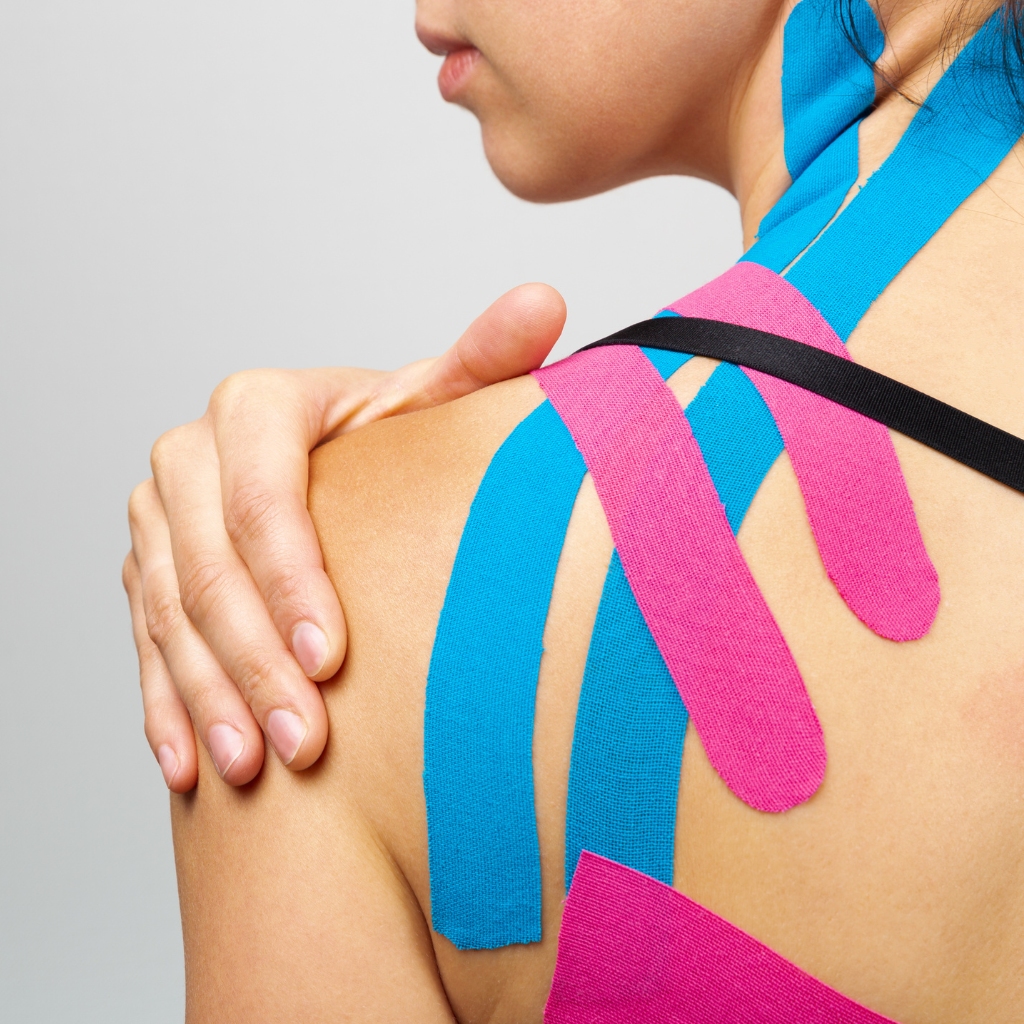
Elastic therapeutic taping supporting muscles, reducing pain, improving movement, and enhancing recovery.
Key Benefits:
Common Use Cases:
Session Duration:
Tape application typically takes 10 to 20 minutes during a treatment session.
Recommended Frequency:
Taping is generally reapplied every few days based on activity levels and condition.
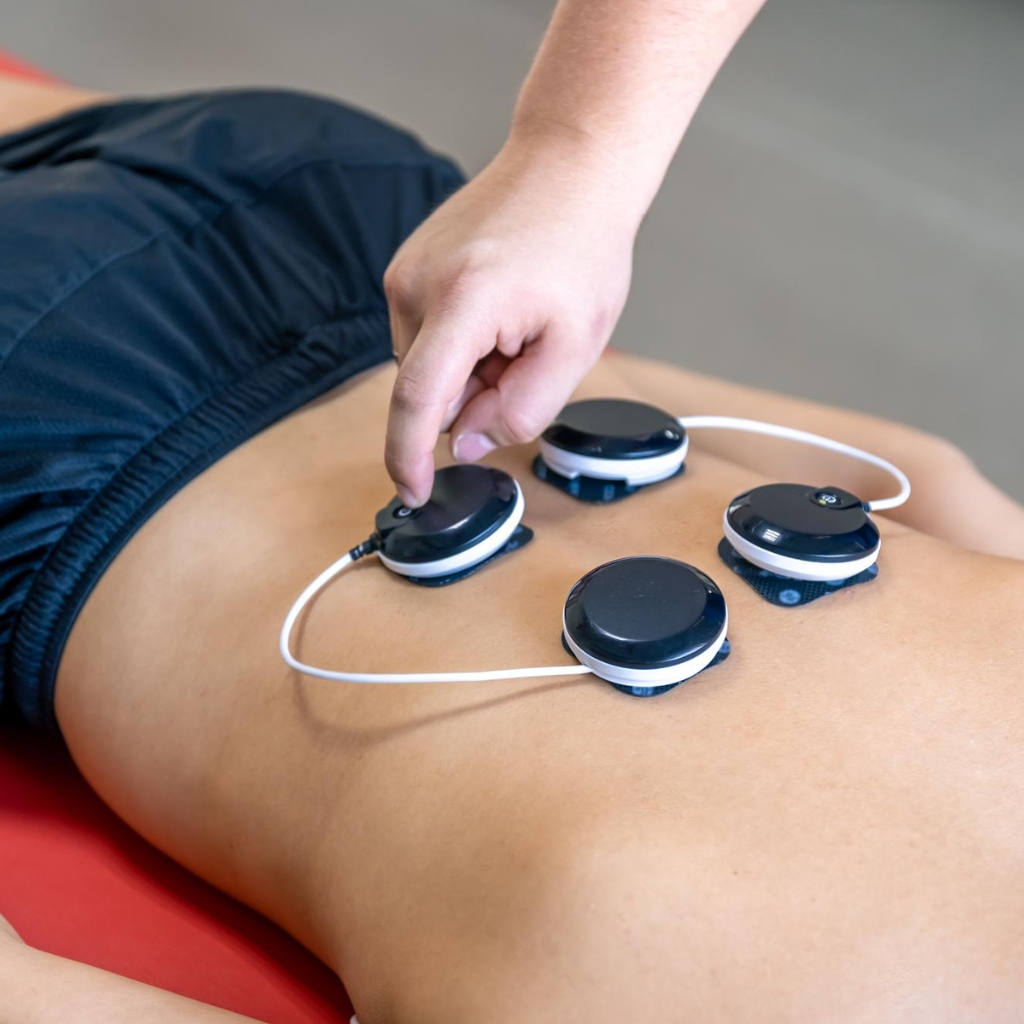
Non-invasive electromagnetic therapy promoting healing, reducing pain, improving circulation, and tissue recovery.
Key Benefits:
Common Use Cases:
Session Duration:
A typical PEMF therapy session lasts between 20 and 45 minutes.
Recommended Frequency:
Sessions are usually recommended two to three times weekly depending on treatment goals.
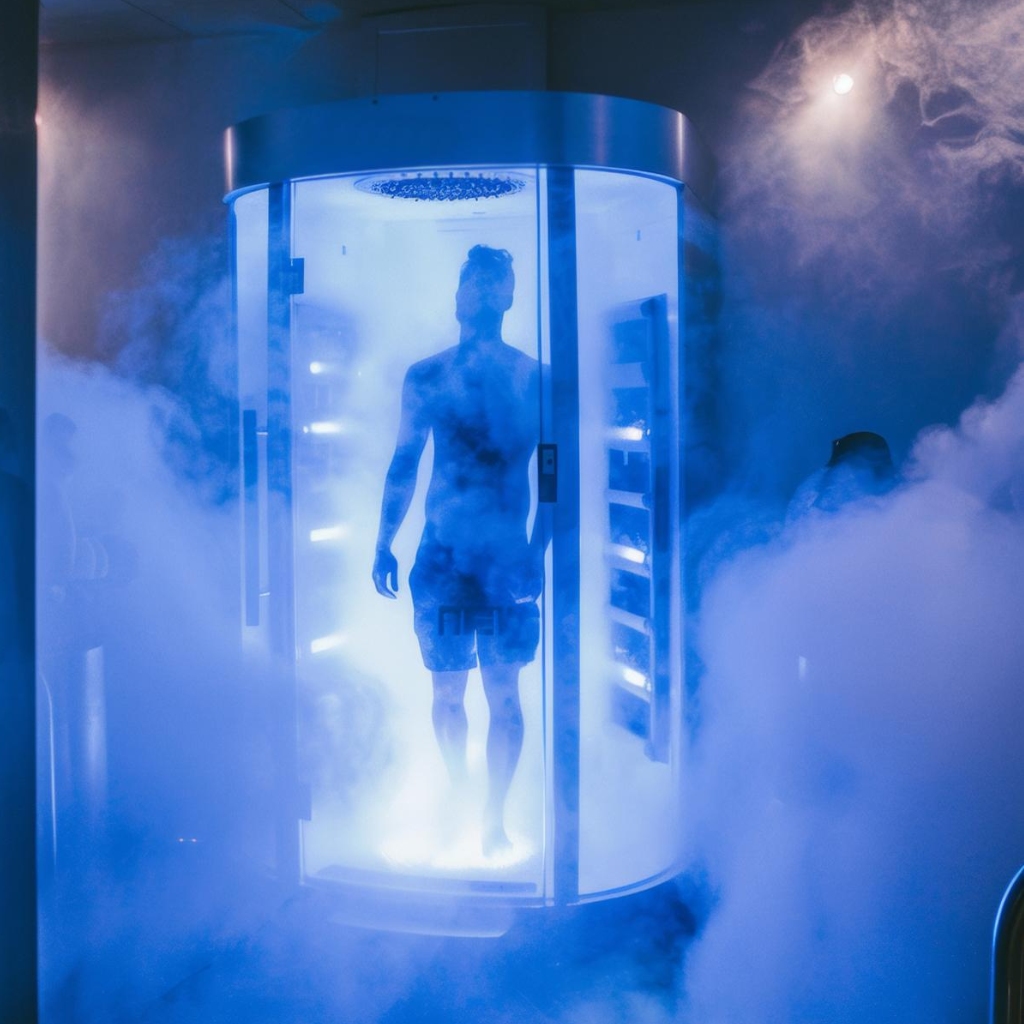
Cold therapy reducing pain, inflammation, swelling, and supporting faster recovery after injuries.
Key Benefits:
Common Use Cases:
Session Duration:
A typical cryotherapy session lasts between 10 and 20 minutes.
Recommended Frequency:
Sessions may be recommended several times weekly based on injury severity and recovery needs.
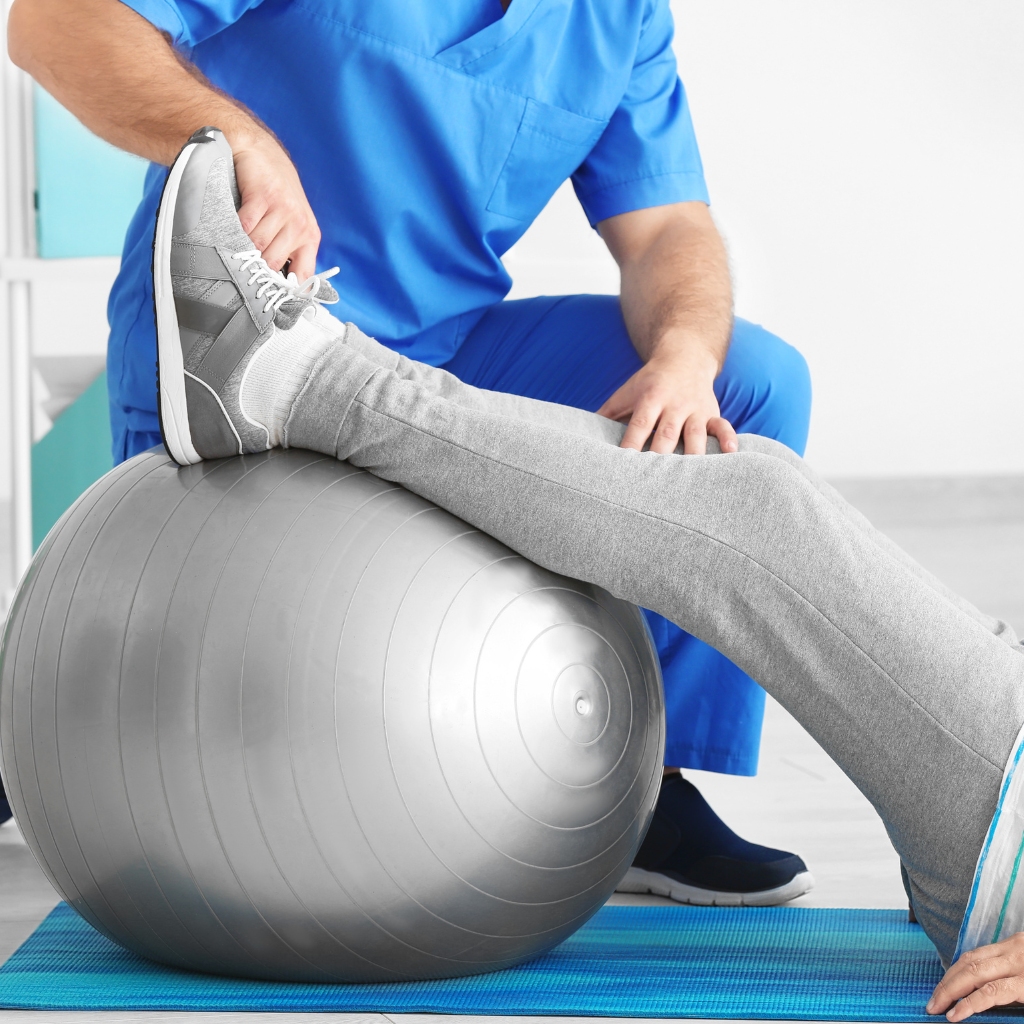
Customized therapeutic exercises improving strength, flexibility, mobility, endurance, and overall physical function.
Key Benefits:
Common Use Cases:
Session Duration:
A typical exercise therapy session lasts between 30 and 60 minutes.
Recommended Frequency:
Sessions are generally recommended two to five times weekly depending on rehabilitation goals.